-
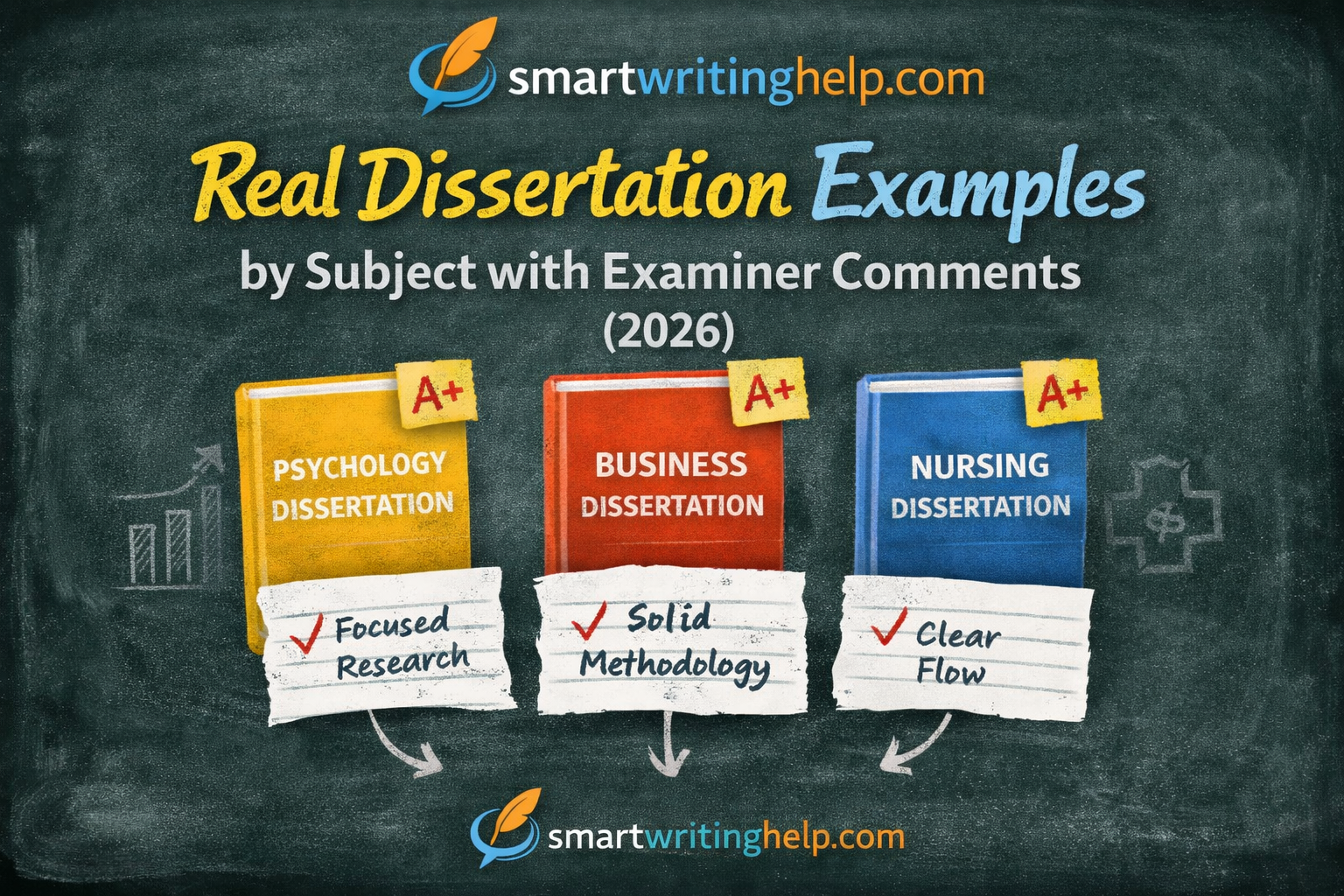
Real Dissertation Examples by Subject with Examiner Comments (2026)
What Makes a First-Class Dissertation Example? A first-class dissertation demonstrates five key qualities: a clearly defined research gap, a critical literature review proving that gap, a well-justified methodology with alternatives considered, original findings that answer the research question, and a clear “golden thread” linking all sections. These are what distinguish a First from a 2:1.…
-
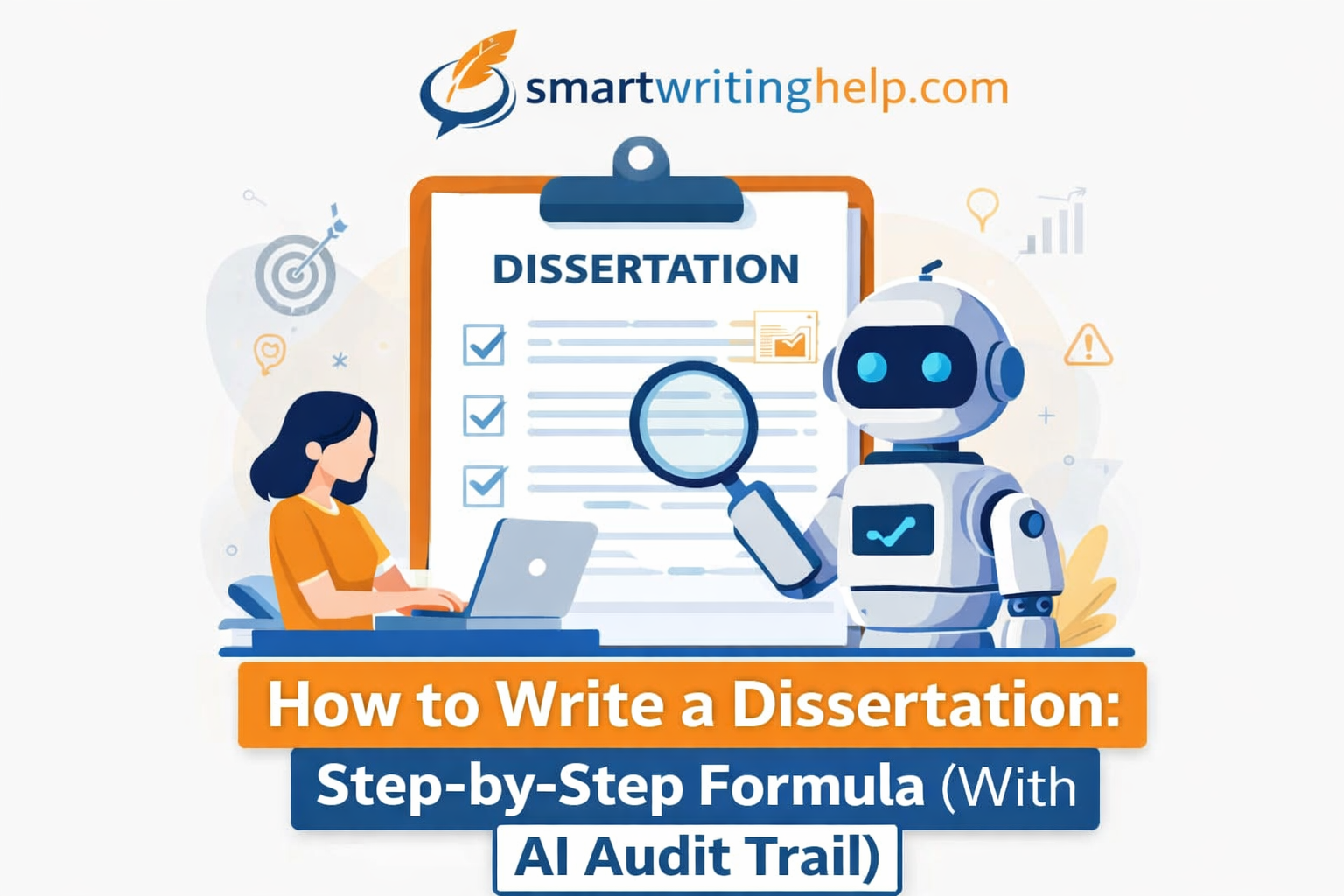
How to Write a Dissertation: Step-by-Step Formula (With AI Audit Trail)
Writing a dissertation is a six-stage process: Topic Selection, Proposal, Literature Review, Methodology, Results, and Synthesis. Success depends on maintaining a “Golden Thread” of logic and, in 2026, providing a formal AI Audit Trail to verify the originality of your work. Key Takeaways What Is a Dissertation? A dissertation is an extended, independent research project…
-

How to Structure a 1000-Word Academic Essay: APA Outline and Plan
A clear structure turns your ideas into a logical, easy-to-follow essay. At 1000 words (about 3–4 pages), proper organization keeps your writing focused, avoids repetition, and helps readers understand your argument. Without a good structure, your essay can become confusing, repetitive, or hard to follow. This guide teaches you how to divide your word count…
-
Transition Sentences in Academic Writing You Must Know
Transition sentences are a core element of effective academic writing because they connect ideas and guide readers through an argument. In academic texts, readers expect a clear and logical progression of thoughts rather than isolated statements. Without transitions, even well-researched content can feel fragmented and difficult to follow. These sentences help readers understand how one…
-
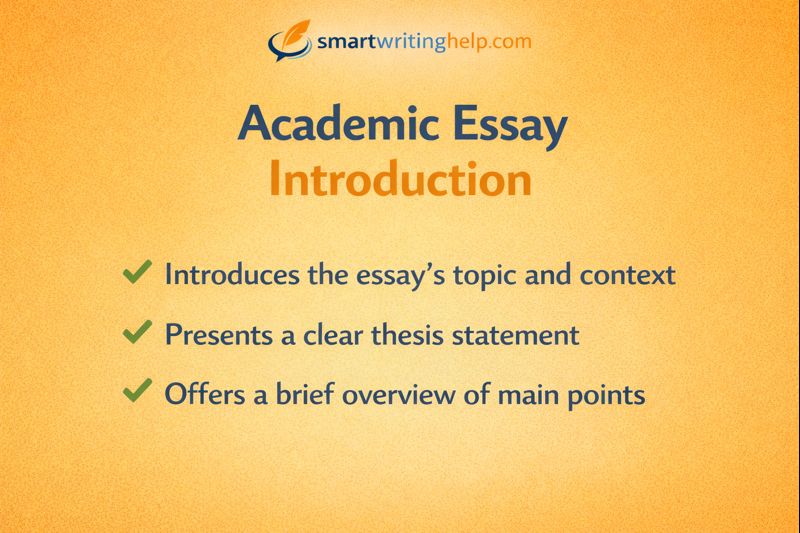
How to Write an Essay Introduction: Tips and Examples
An academic essay introduction is the starting paragraph of your essay. It explains what your essay is about and why it matters. Its purpose is to inform and guide the reader, not to entertain. Its purpose is to grab the reader’s attention, provide essential context, and clearly present your thesis statement. A strong introduction paragraph…
