Student stress has become one of the biggest challenges facing schools, colleges, and universities today. Many students struggle to balance academic demands, social expectations, extracurricular activities, part-time jobs, and personal responsibilities. When stress becomes overwhelming, it can affect grades, physical health, relationships, and overall well-being.
The problem is not that students experience stress. A certain amount of pressure can motivate people to work harder and stay focused. The real issue begins when stress becomes constant and starts interfering with daily life.
Understanding the causes of student stress and learning effective ways to manage it can help students improve both their academic performance and mental health.
What Is Student Stress?
Student stress refers to the emotional, mental, and physical pressure students experience due to academic and personal challenges. It can result from exams, assignments, deadlines, financial concerns, social pressures, or uncertainty about the future.
Most students experience stress at some point during their education. However, chronic stress can lead to serious problems if it is not managed effectively.
Common signs of student stress include:
- Difficulty concentrating
- Feeling overwhelmed
- Sleep problems
- Fatigue
- Irritability
- Anxiety
- Frequent headaches
- Loss of motivation
Recognizing these symptoms early is often the first step toward addressing the problem.
Student Stress Statistics in the UK, Canada, and Beyond
Student stress is not limited to one country or educational system. Research from various regions shows that stress among students continues to rise.
Student stress statistics in the UK indicate that academic pressure, examination anxiety, and concerns about future employment are among the most common sources of stress for young people.
Similarly, student stress statistics in Canada reveal increasing levels of anxiety and psychological distress among secondary school and university students. Mental health support services across Canadian institutions have reported growing demand over the past decade.
Across Europe and North America, educational institutions are investing more resources in student wellness programs, counseling services, and stress management initiatives because of the growing impact of stress on academic success.
Student Stress and Mental Health: Why the Connection Matters
The relationship between student stress and mental health is significant. While short-term stress may help students stay focused, long-term stress can contribute to more serious mental health challenges.
Excessive stress has been linked to:
- Anxiety disorders
- Depression
- Burnout
- Low self-esteem
- Social withdrawal
- Emotional exhaustion
Students who constantly worry about grades, performance, or future opportunities often find it difficult to relax even during breaks. Over time, this can affect both emotional resilience and academic performance.
Mental health professionals emphasize the importance of early intervention because unmanaged stress can gradually become a larger problem.
Common Causes of Student Stress at School and University
Understanding the root causes of student stress at school and university can help students identify potential triggers and develop healthier coping strategies.
Academic Pressure
Many students feel intense pressure to achieve high grades. Competitive environments, scholarship requirements, and admission standards often increase this pressure.
Heavy Workloads
Assignments, projects, presentations, exams, and coursework can quickly accumulate. When multiple deadlines occur at the same time, stress levels often rise significantly.
Financial Challenges
Tuition fees, housing expenses, transportation costs, and student loans create additional burdens for many students.
Social Expectations
Students frequently compare themselves to peers, both in person and through social media. Constant comparison can contribute to feelings of inadequacy and stress.
Career Uncertainty
Questions about employment opportunities, career choices, and future financial stability are common sources of anxiety among students approaching graduation.
Understanding the Student Stress Scale and Student Stress Inventory (SSI)
Educational researchers and mental health professionals often use assessment tools to measure stress levels among students.
A student stress scale is designed to evaluate how much stress a student is experiencing based on various academic, social, and personal factors. These scales help identify individuals who may benefit from additional support.
Student stress scale scoring typically involves assigning numerical values to responses. Higher scores generally indicate higher levels of perceived stress.
Another widely used assessment tool is the Student Stress Inventory (SSI). The student stress inventory helps researchers and educators examine different sources of stress and understand how students respond to them.
While these tools are not intended to replace professional diagnosis, they can provide valuable insights into student well-being.
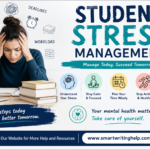
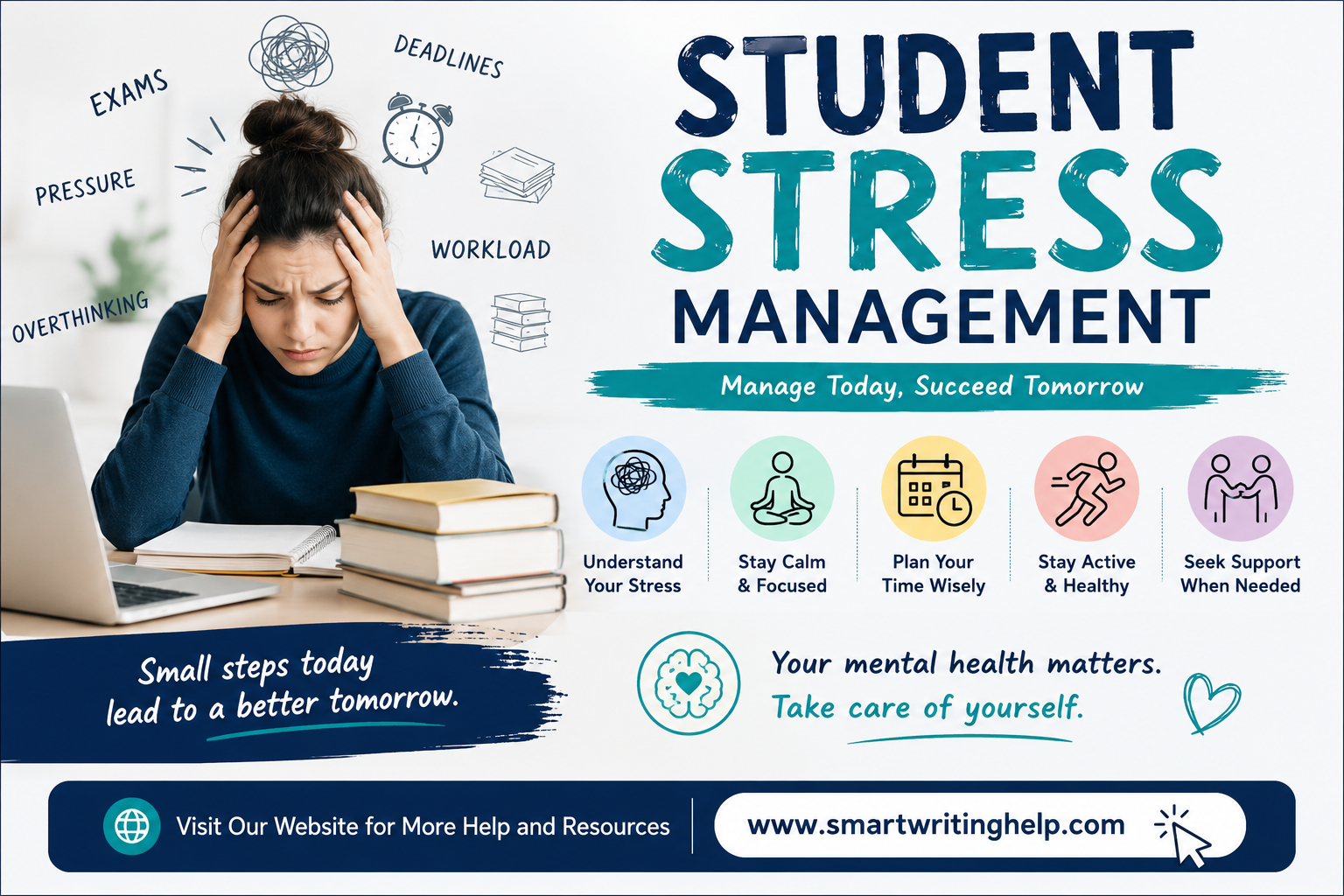
Student Stress Management Strategies That Actually Work
Effective student stress management focuses on reducing unnecessary pressure while building healthy habits.
Create a Realistic Schedule
Students who plan their workload in advance often experience lower stress levels. Breaking large assignments into smaller tasks can make projects feel more manageable.
Prioritize Sleep
Sleep deprivation increases stress and reduces cognitive performance. Most students benefit from maintaining a consistent sleep schedule.
Stay Physically Active
Regular exercise helps reduce stress hormones while improving mood and concentration.
Limit Social Media Comparison
Constant exposure to idealized versions of other people’s lives can increase anxiety. Taking regular breaks from social media can help maintain perspective.
Seek Support Early
Talking with teachers, academic advisors, family members, or counselors can prevent minor problems from becoming major sources of stress.
Practice Mindfulness
Techniques such as meditation, breathing exercises, and mindfulness training have been shown to reduce stress and improve focus.
How Students Can Reduce Stress Before Exams and Deadlines
Exam periods are often the most stressful times during the academic year. Students can reduce anxiety by preparing consistently rather than relying on last-minute cramming.
Helpful strategies include:
- Starting revision early
- Using study timetables
- Taking regular breaks
- Practicing with past exam papers
- Maintaining healthy eating habits
- Avoiding all-night study sessions
Students who prepare gradually often feel more confident and experience less stress when exams arrive.
When to Seek Professional Support
While self-help strategies are valuable, some students may require professional assistance.
Students should consider seeking support if they experience:
- Persistent anxiety
- Panic attacks
- Severe sleep problems
- Loss of interest in daily activities
- Difficulty functioning academically
- Ongoing feelings of hopelessness
Most educational institutions provide counseling services specifically designed to help students manage stress and mental health challenges.
Frequently Asked Questions
What is student stress?
Student stress is the emotional, mental, and physical pressure students experience due to academic, financial, social, and personal responsibilities.
How does student stress affect mental health?
Excessive stress can contribute to anxiety, depression, burnout, emotional exhaustion, and reduced academic performance.
What is a student stress scale?
A student stress scale is an assessment tool used to measure stress levels among students and identify potential areas of concern.
What is the Student Stress Inventory (SSI)?
The Student Stress Inventory (SSI) is a research-based tool that evaluates various sources of student stress and their impact on well-being.
What are the best student stress management techniques?
Effective techniques include time management, regular exercise, adequate sleep, mindfulness practices, seeking support, and maintaining realistic academic expectations.
Conclusion
Student stress is a growing concern across schools, colleges, and universities worldwide. Academic demands, financial pressures, social expectations, and uncertainty about the future all contribute to rising stress levels among students.
Understanding the causes of stress, recognizing its effects on mental health, and applying effective student stress management strategies can help students maintain both academic success and personal well-being.
By addressing stress early and seeking support when needed, students can build healthier habits that benefit them throughout their education and beyond.